

Youth Directed More Than $2 Million to Out‑of‑School Time and Youth Sports Programs Across Southeast Michigan
Young people across Southeast Michigan led the way in deciding how more than $2 million in funding will support out‑of‑school time programs in their communities.
Through Southeast Michigan Afterschool With Youth For Youth (SEMI WYFY), youth leaders designed the funding priorities, reviewed applications, and selected programs based on what they know helps young people feel safe, supported, connected, and ready to thrive.
61 recipients across 7 counties | $2.25 million awarded | Serving youth ages 5–18
This Is Youth Governance in Action
WYFY is not symbolic participation. Youth developed the criteria, shaped the application process, reviewed proposals, and made funding decisions. Their priorities were drawn directly from what young people across Southeast Michigan say makes a program strong:
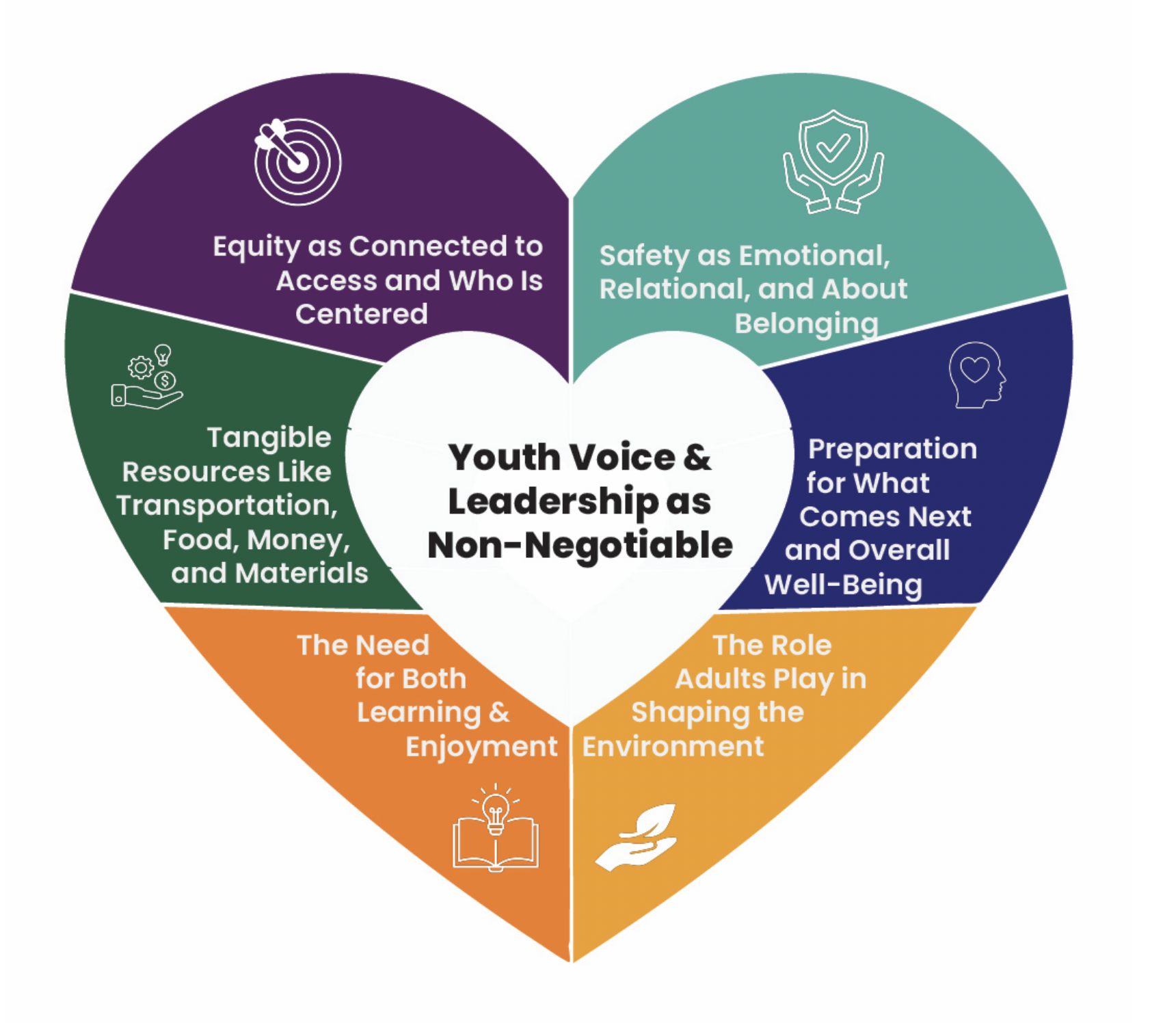
This graphic is inspired by themes identified through the Powered by Youth Voice report. The Southeast Michigan WYFY Advisory Council reviewed that research and refined these previous priorities to reflect their own values and vision for out-of-school-time in their region.
Equity ensures all youth are centered, youth’s specific identities are considered and there is an unbiased distribution of resources for youth in programming.
Safety as emotional, relational, in programming, and a created space of belonging.
Tangible Resources, ensure tangible supports that remove barriers to participation, such as transportation, food, youth stipends, and materials.
The need for youth to experience both Learning and Enjoyment in the program.
Preparation for a future where young people can thrive.
The Role Adults Play by being adult allies who listen, support, and share power with young people.
Youth Voice & Leadership as a non-negotiable experience for all young people in the program.
About WYFY
SEMI WYFY is part of a broader, multifaceted initiative, Afterschool With Youth For Youth (WYFY), which empowers young people to redesign afterschool programming from the ground up. Coordinated by Youthprise and funded by the Charles Stewart Mott Foundation and the Ralph C. Wilson, Jr. Foundation, the initiative connects five partner sites across the United States: Missouri, Minnesota, Southeast Michigan, Vermont, and Western New York.
WYFY builds on two earlier efforts, the Generator Z project, funded by the Wilson Foundation, and the Powered by Youth Voice project, funded by the Mott Foundation. Both projects aimed to amplify voices of young people by expanding channels for youth to contribute to program decisions and practice leadership. WYFY builds upon that foundation by deepening youth decision‑making power and investing in youth‑led solutions within out‑of‑school time (OST) systems.
Through collaborative design thinking sessions and paid youth participation, WYFY centers young people as architects of a reimagined OST ecosystem. The goal is to develop blueprints for each partner site to help afterschool systems amplify youth voices seeking to transform their educational opportunities.
The Southeast Michigan WYFY program, which includes more than $2 million in youth‑directed grant funding, is supported by the Ralph C. Wilson, Jr. Foundation through the Community Foundation of St. Clair County, in service of the the seven counties of Southeast Michigan: Livingston, Macomb, Monroe, Oakland, St. Clair, Washtenaw, and Wayne.
The Community Foundation of St. Clair County provides administrative support to elevate youth voice and expand high‑quality, youth‑informed OST and youth sports programming across the region. The Michigan Afterschool Partnership provided ongoing support to youth leaders throughout the process.
What Comes Next
Funding for selected programs begins July 1. Over the year ahead, the SEMI WYFY Youth Advisory Council, MASP, and partner sites will document lessons learned and contribute to a national blueprint for youth‑governed OST funding. We invite the field, funders, and community members to follow along, learn with us, and consider what shared youth governance could look like in your own systems.